2026 · Shipped
Yum! - KFC Kitchen Display System
Senior product design case study: a full redesign of the Kitchen Display System, taken from kickoff to a live restaurant in 177 days, with AI-native design workflows.
The problem
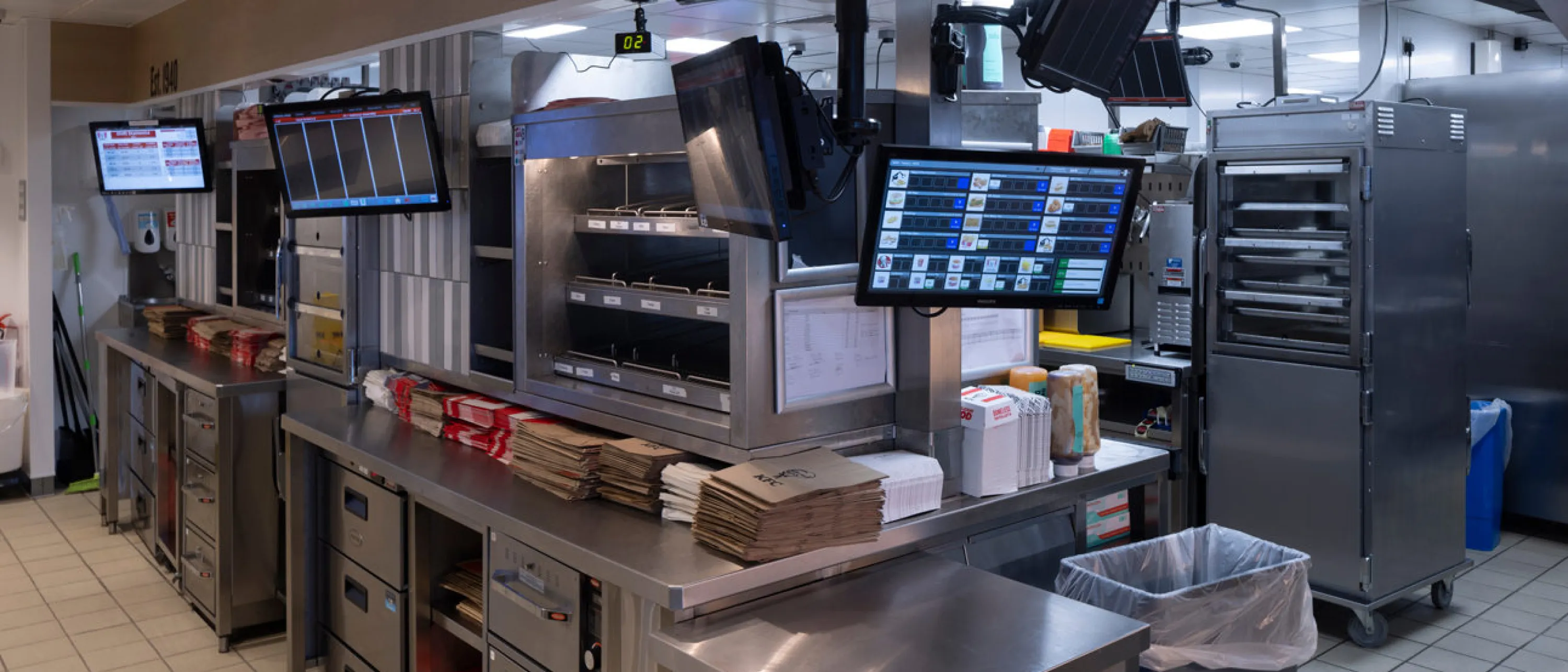
Yum! Brands needed a new Kitchen Display System (KDS), the screens that kitchen teams rely on to see, prioritize and complete orders during service. The redesign replaced the previous system, and it had to launch first in the United States and then roll out to restaurants around the world.
Kitchen screens leave little room for error, so the new experience had to be clear at a glance, even during a busy rush. The team also had a demanding timeline to meet.
My role
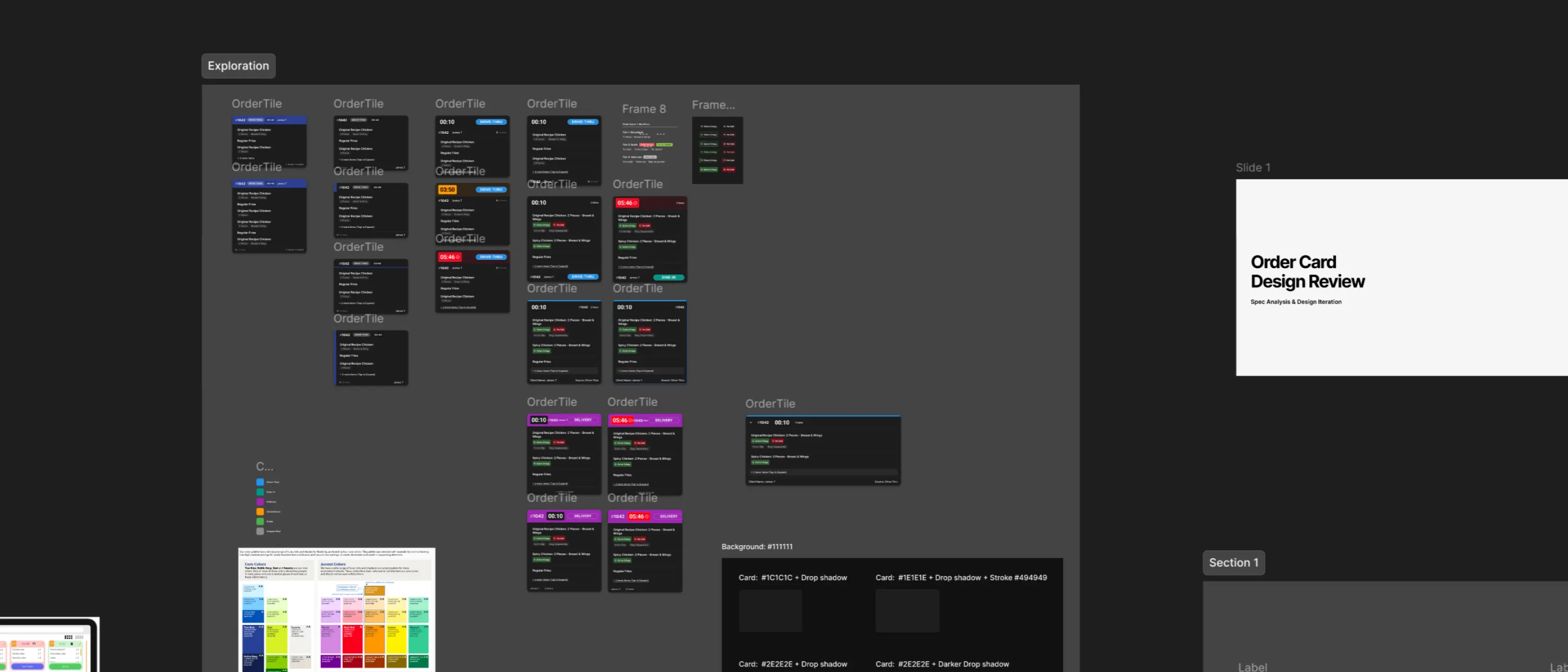 Iterations for the card component in Figma
As Senior Product Designer, I led the redesign of the Kitchen Display System from concept through to a live restaurant. I worked across design, product, engineering and restaurant operators, keeping the operator’s point of view present at every stage so the design worked in a real kitchen.
The approach
Redesigning how we work
We didn’t simply add AI tools to a traditional product development lifecycle. We redesigned the design process itself, paired with an AI-native software development lifecycle. AI wasn’t a shortcut for thinking. It reduced the friction between thinking and doing, which meant faster synthesis, quicker exploration, tighter feedback loops and faster alignment across the whole team.
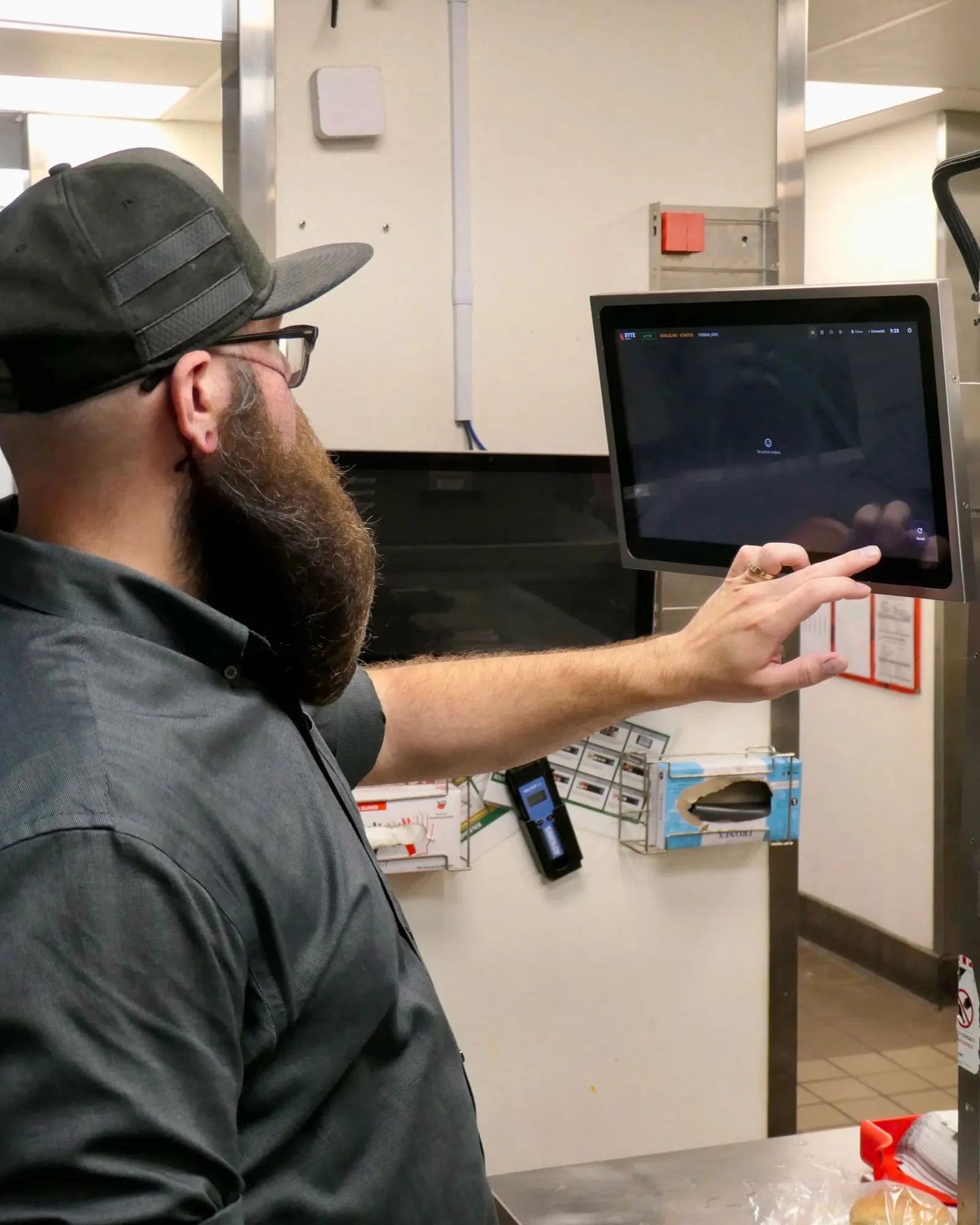
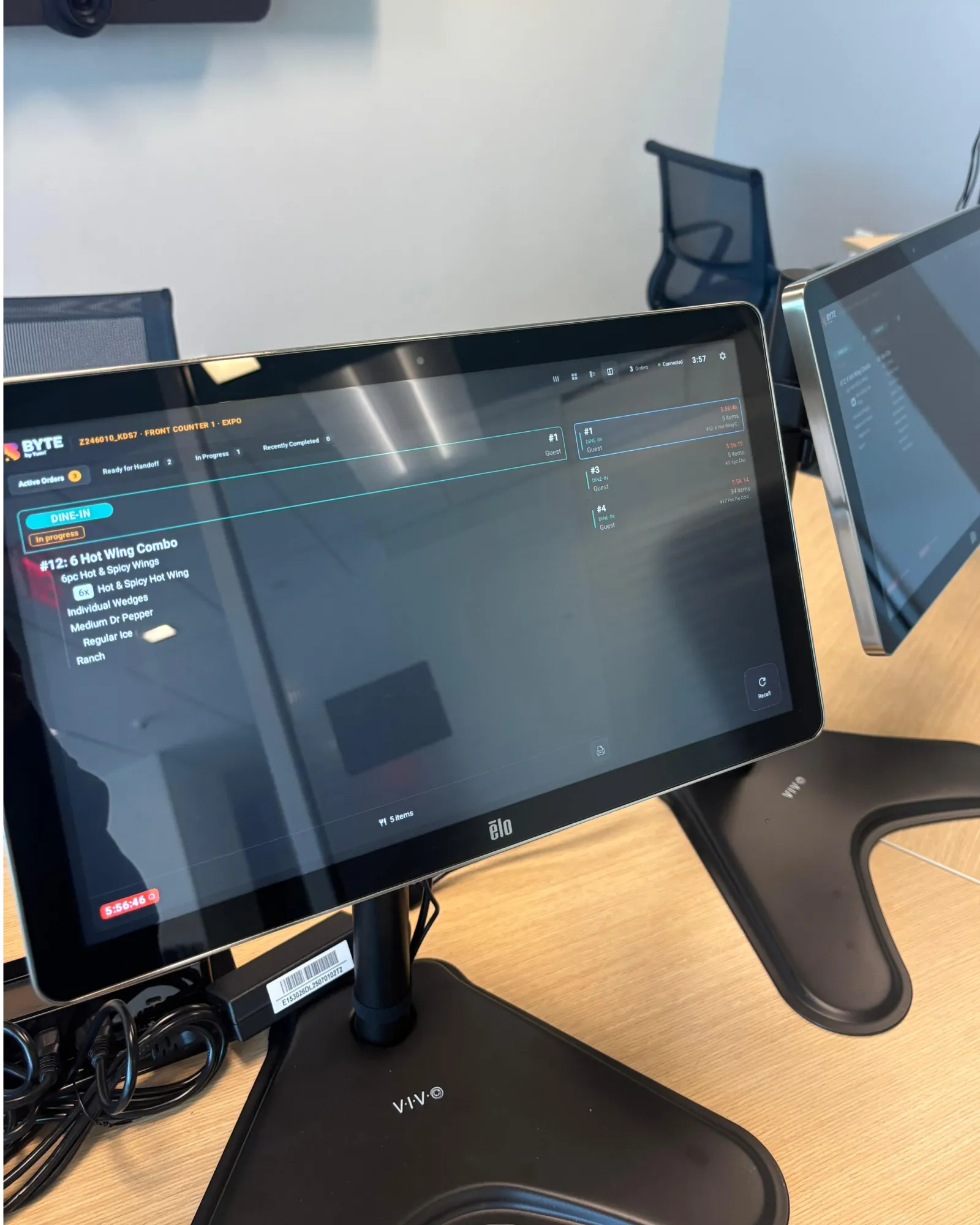 Photographs of the product being tested in real-world environments
Validating early with users
We used user testing to validate designs in the earliest stages. Testing ideas with real users before committing to them kept the team focused on what would work in the kitchen.
Design-to-build acceleration with Figma MCP
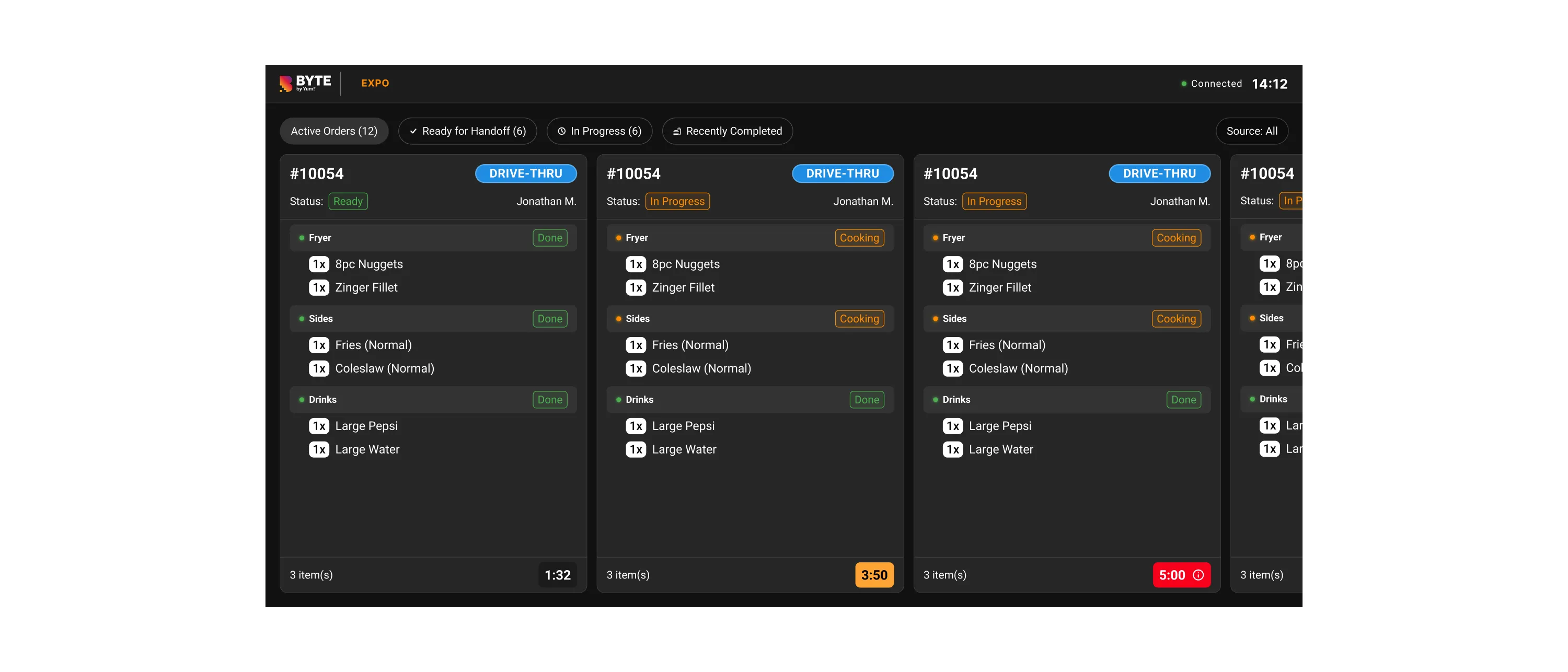 Generated screen for the Expo users
To speed up the design process, I connected Claude to Figma through the Figma MCP (Model Context Protocol), so the AI could work directly with our live design files. This closed the gap between exploring an idea and putting it in front of the team.
The outcome
In only 177 days, the team took an entirely new Kitchen Display System from kickoff to a live restaurant. The rollout began in the United States, with the rest of the world next.
The bigger story is how we moved differently. By unlocking capacity across design, product, engineering and operators, the team worked as one, with more time for thinking and less friction in between.